
Zoosomatics
Exploring animal movement. Discovering shared perceptions. Activating multispecies resonance. Reintegrating Animality.
Zoosomatics is an emerging practice at the crossroads of somatics, animal studies, and creative movement. It invites us to explore the shared ground between human and non-human bodies, using our own physical awareness as a bridge to understand and connect with other species.
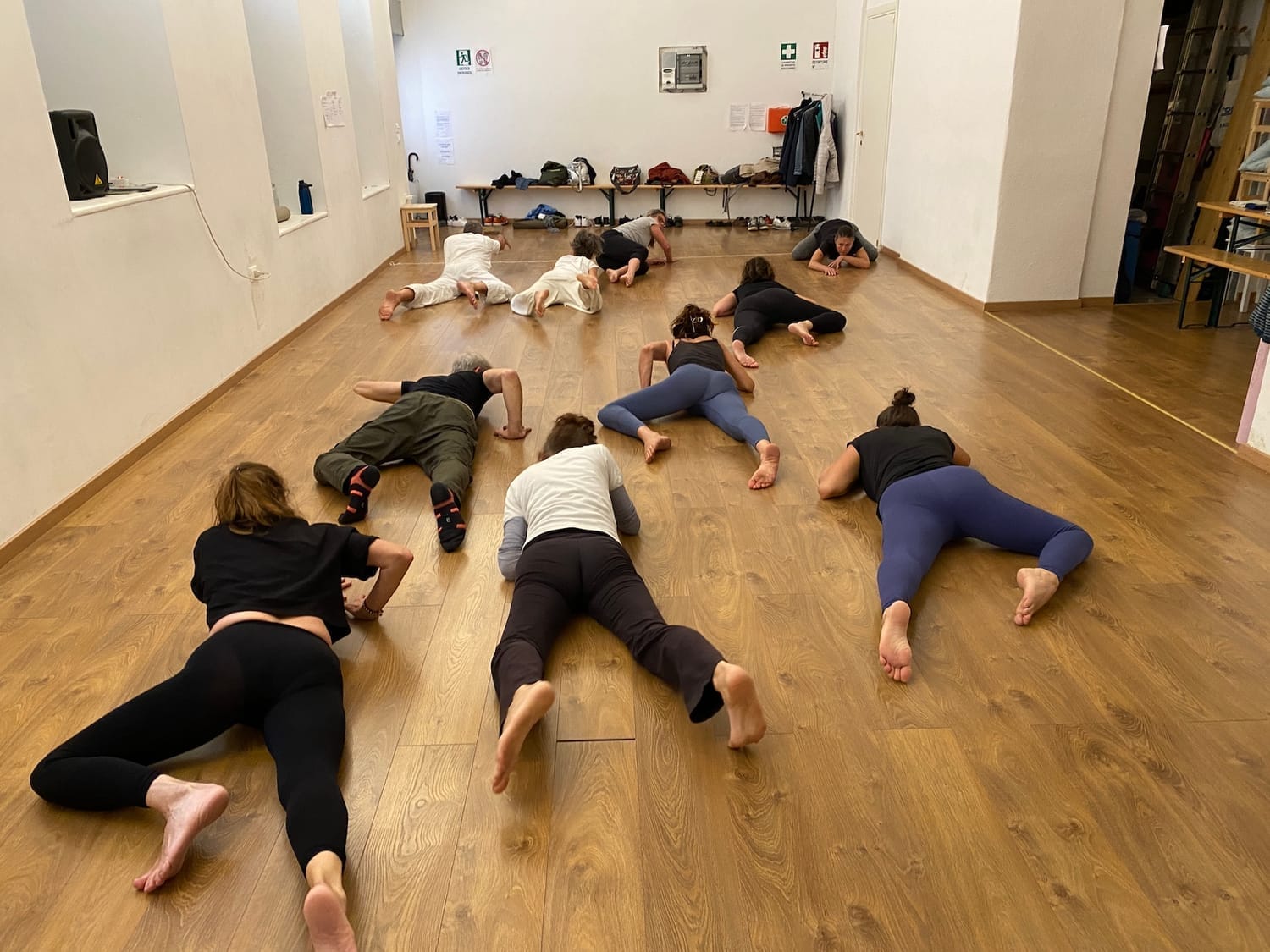
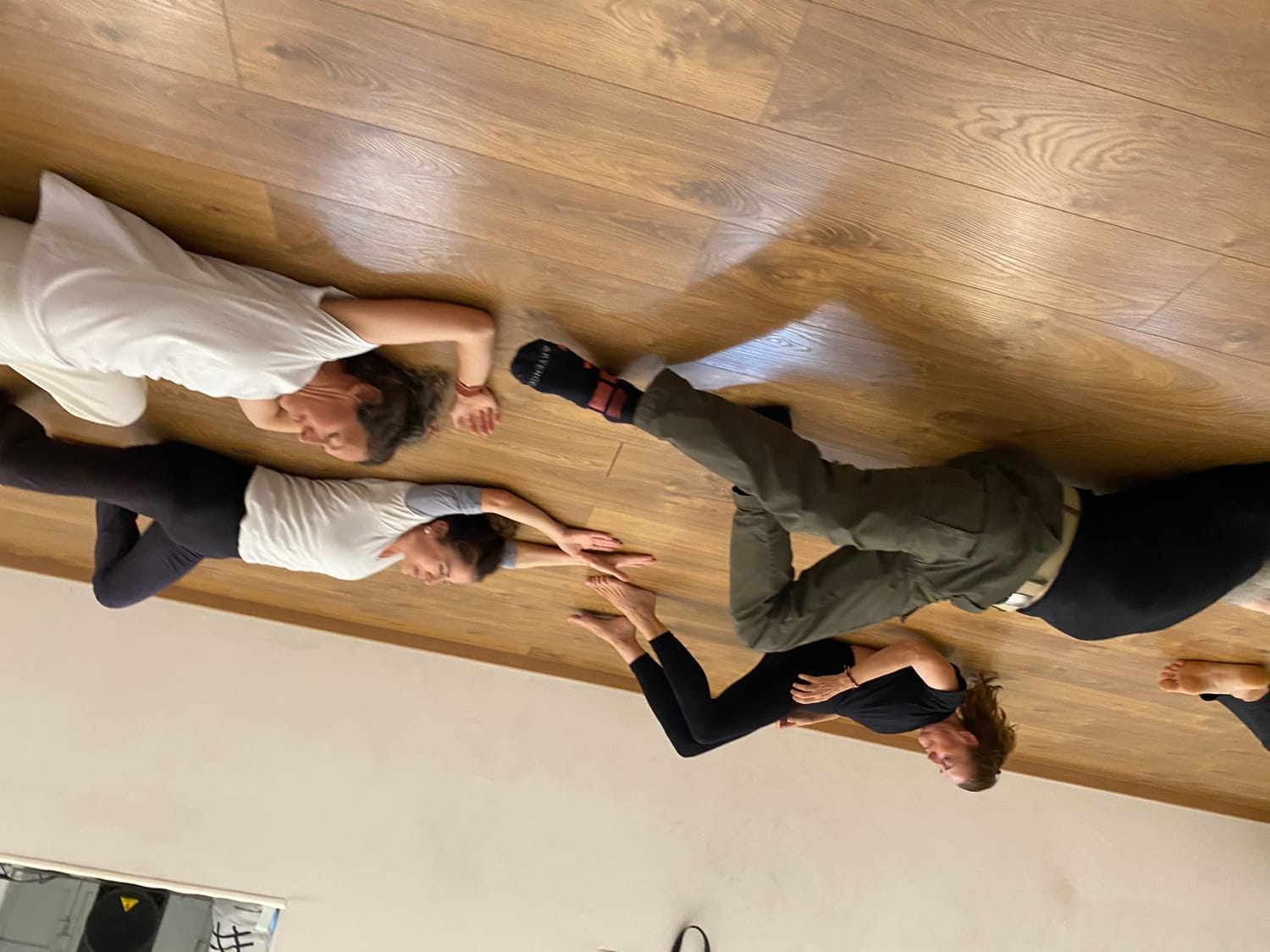
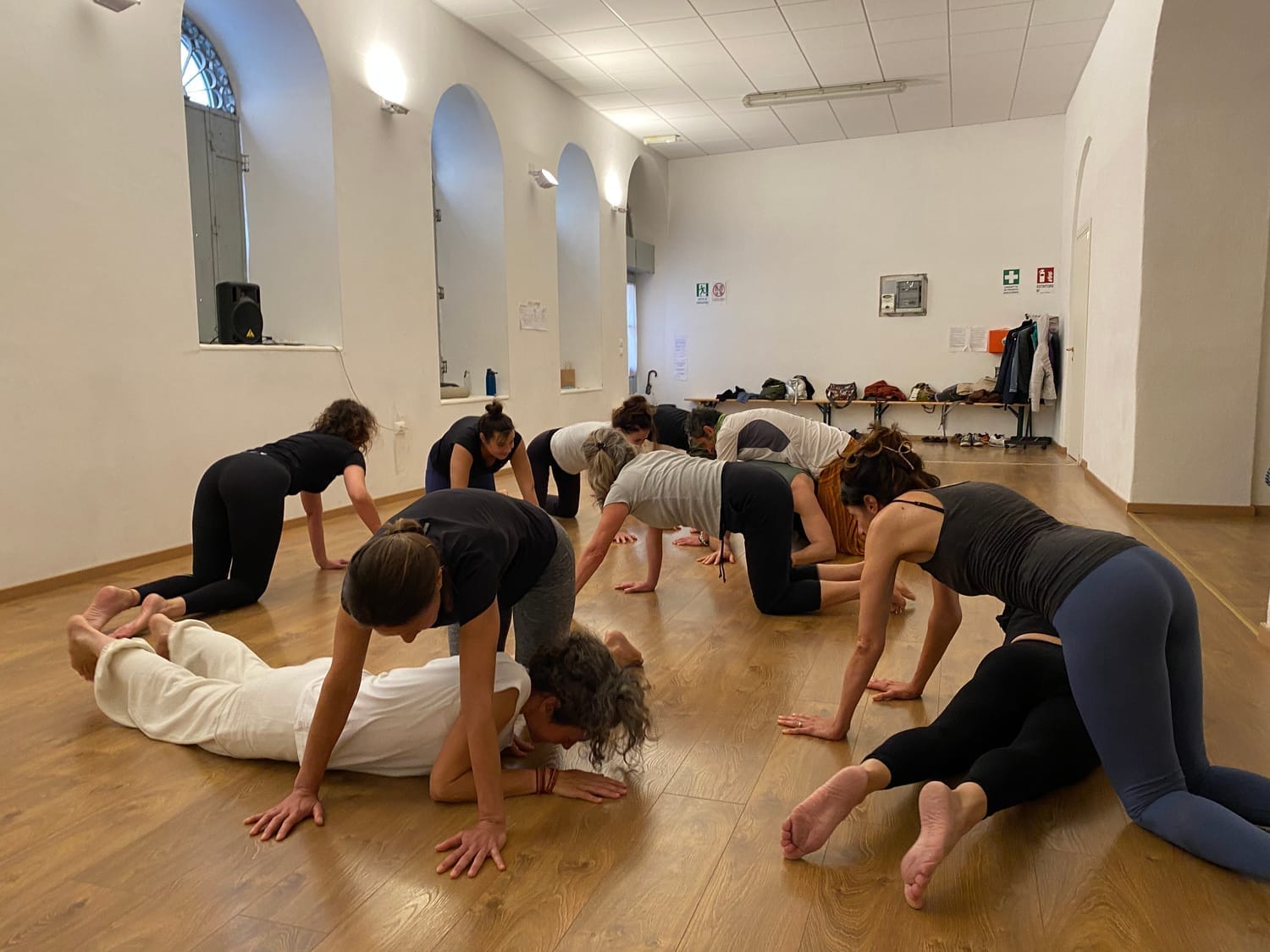
At its core, zoosomatics is a practice of re-embodiment. Instead of observing animals only from the outside, we re-engage our own bodies as instruments of perception—exploring postures, rhythms, and sensory orientations inspired by other species. In this way, animals become more than objects of study: they are partners, teachers, and guides into new ways of perceiving, moving, and being.
Zoosomatics is multimodal and versatile. It draws from drama, martial arts, yoga, somatic practices, and guided imagery, while also developing new methods. Sessions can take place indoors or outdoors, alone or in the presence of animals, and may include movement exploration, imagination, observation, journaling, and dialogue. Its applications are wide-ranging. Zoosomatics can support education, therapy, coaching, veterinary practice, animal training, animal welfare, and artistic research—any context where human and non-human lives meet and can learn from one another.
It also holds significant potential in dialogue with technology. Zoosomatic practices can inform motion capture work for film, animation, and video games by offering embodied, ethically grounded approaches to representing animal movement and interspecies dynamics. In pedagogical contexts, digital platforms can document, map, and analyze embodied exploration, supporting reflective learning and cross-cultural exchange. Moreover, the integration of artificial intelligence opens further possibilities: AI systems can be trained to recognize, compare, and interpret patterns of human and animal movement, vocalization, and interaction, generating new insights into interspecies communication and shared affective states. Rather than replacing embodied knowledge, technology can function as an amplifier—extending perception, revealing subtle dynamics, and fostering more conscious, responsive relationships between biological and digital systems.
Above all, zoosomatics nurtures empathy, creativity, and ecological awareness. It reminds us that our bodies are not separate from the living world, but deeply entangled with it. Practiced with care, it opens a path toward more ethical, sensitive, and sustainable relationships with animals and the ecosystems we share.
PUBLICATIONS
To learn more about zoosomatics, you can read those academic publications:
Zoosomatics: Animal Resonance and Shared Perceptions
Actor’s Score, Martial Arts and Animality: from the Animal Turn to Zoosomatics
MODALITIES
Zoosomatics can happen indoors or outdoors, with animals or without, in short sessions or long immersions.
Each setting offers its own unique possibilities for learning, creativity, and connection.
Here are some possibilities:
Types of Zoosomatics Workshops & Masterclasses
1. Indoor Workshops
Studio-based practice: movement, somatic exploration, guided imagery, journaling, discussion.
With animals present indoors (where appropriate, e.g. dogs, therapy animals): exploring shared space and perception.
Without animals: focusing on imagination, movement, and human re-embodiment inspired by animals.
With technological mediation (where relevant): using tools such as video recording, motion capture, sound analysis, biofeedback, or interactive digital platforms to deepen observation and reflection.
2. Outdoor Workshops
Nature-based practice: exploring animal-inspired movement and perception in natural environments (parks, forests, open spaces).
Wildlife-inspired sessions: observation of free-living animals (birds, insects, mammals) combined with embodied practice.
With companion animals: practicing in outdoor settings alongside dogs, horses, or other animals.
Without animals: engaging the imagination and body in dialogue with the landscape and its animal traces.
3. With Animal Presence
Direct interaction: workshops with dogs, horses, or other domesticated animals, focusing on communication, empathy, and shared rhythms.
Therapeutic/clinical contexts: zoosomatic presence with therapy animals to support well-being, regulation, and emotional connection.
Observation + embodiment: watching animal behavior closely, then exploring it through somatic movement and reflection.
4. Without Animals Presence
Imaginative animal journeys: guided imagery, archetypal exploration, and symbolic work with animal presences.
Embodied research labs: simulating animal movement, postures, and sensory modes through somatic exploration.
Artistic/creative labs: translating animal-inspired movement into performance, improvisation, or artistic research.
5. Hybrid / Specialized Formats
Online workshops: guided imagery, movement, journaling, and discussion without the need for live animals.
Intensive retreats: multi-day immersive experiences combining indoor and outdoor practice, often with both real and imagined animal encounters.
Professional applications: tailored formats for dog trainers, therapists, educators, veterinarians, or artists, integrating both theory and practice.
OUTREACH
Zoosomatics has been disseminated through ongoing theoretical and practical research in seminars, workshops, and international academic conferences.
These include presentations at:
• Semina Mundi 2026 - Seeding the Ecosomatic Community in Italy: A Generative Gathering
• The Anthrozoology Symposium 8th Edition in 2025 (University of Iasi, Romania)
• The Anthrozoology as International Practice Conference (AIP) 2025 (University of Exeter)
• The Genius Loci International Symposium of Ecosomatic Arts 2025 (IFEEA, Rome).
• The Anthrozoology Symposium 7th Edition 2024 (University of Iasi, Romania)
• The International Platform for Performer Training (IPPT) 2023 (University of Kent, University of Helsinki)
Additional invitations and scheduled presentations and workshops include:
• Affect Evo 2026 (European Cooperation in Science and Technology, University of Cluj-Napoca)
• Genius Loci International Symposium of Ecosomatic Arts 2026, 2nd Edition (IFEEA, Rome)
• The Anthrozoology Symposium 2026, 9th Edition (University of Iasi/Academia Romana).
This reflects the sustained relevance, visibility, and impact of the research across drama, somatic, and interspecies studies.
Animal Movements: Locomotion & Biomechanics
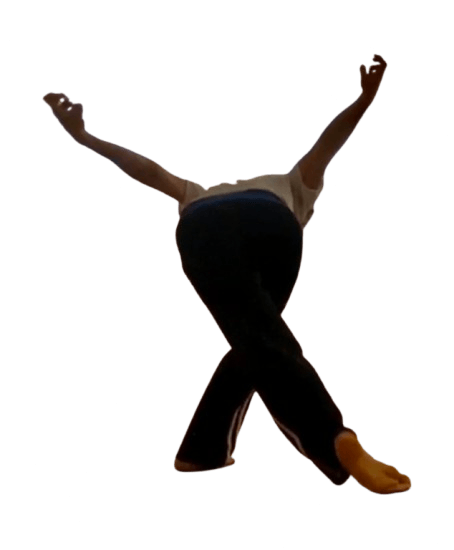
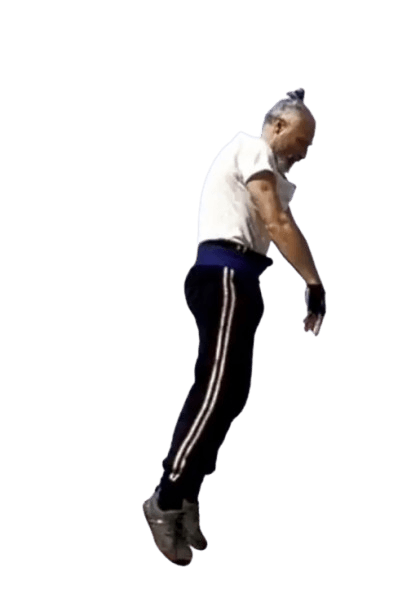
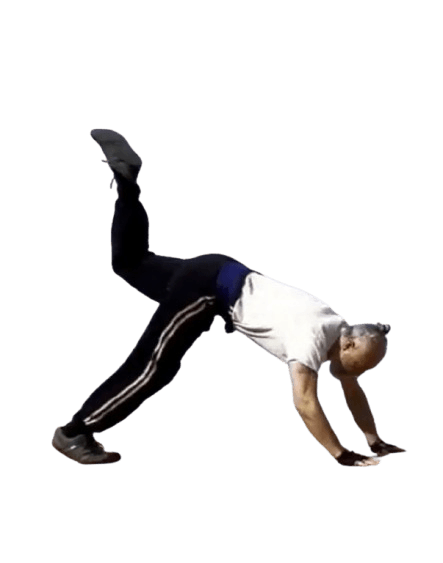
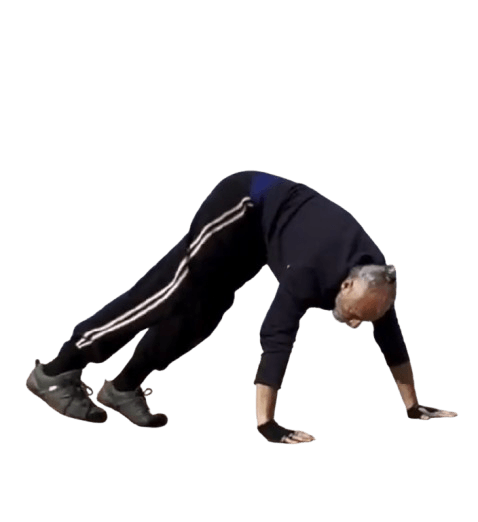
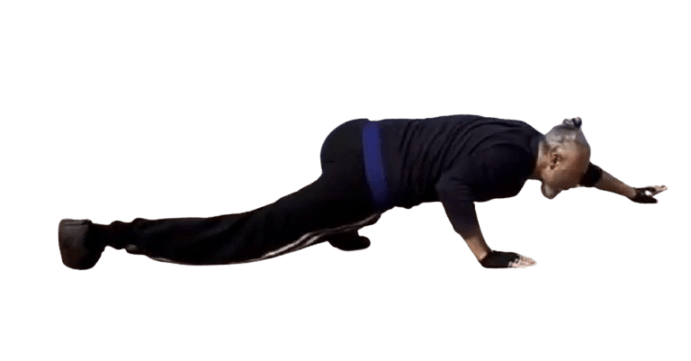
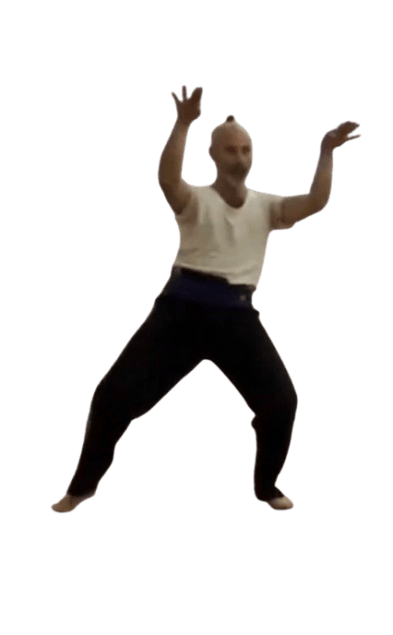
Animal movement explores the principles of locomotion found across the animal kingdom. By studying how different species move — crawling, leaping, gliding, or undulating — we can rediscover fundamental biomechanical patterns of the body.
Through observation and embodied practice, animal movement reveals how posture, weight transfer, spinal waves, and limb coordination generate efficient and expressive motion.
These explorations connect locomotion, biomechanics, and perception, offering valuable tools for actor training, choreography, movement research, motion capture, and embodied pedagogy.
A Glimpse Into Animal Locomotion - Check The Video Out
Links to Ecosomatics
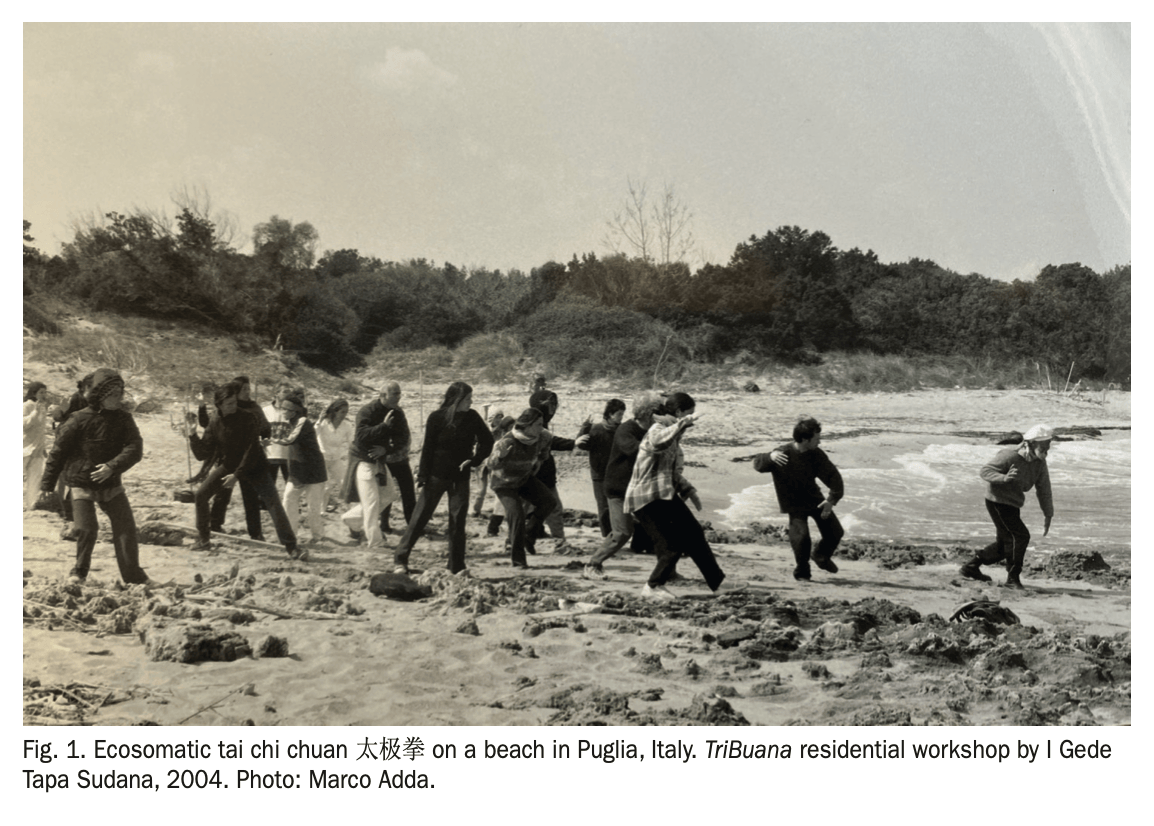
Zoosomatics is conceptually and methodologically aligned with ecosomatics, with which it maintains a complementary and non-hierarchical relationship.
Ecosomatics foregrounds the body as ecologically situated, emphasizing how perception, movement, and affect emerge through ongoing interaction with natural environments. Within this shared framework, ecosomatic practice can function as one possible access modality to zoosomatic resonance: by moving through natural spaces, the human body inevitably intersects with multispecies habitats and engages—directly or indirectly—with the perceptual, spatial, and behavioral fields of other species. Zoosomatics, however, is not contingent upon ecosomatic practice; rather, it articulates a distinct yet intersecting inquiry that focuses on interspecies embodiment, attentional attunement, and the study of animal movement and behavior as sources of somatic knowledge. Together, ecosomatics and zoosomatics describe a continuum of embodied research in which ecological and interspecies awareness co-emerge without prescriptive sequencing, supporting a more-than-human understanding of perception, agency, and relational ethics.
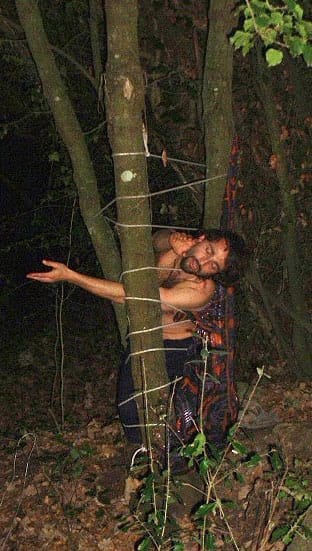
Marco Adda, Ecosomatic Performance, Cenci CasaLab, Amelia, Italy - 2001
Ask a question on zoosomatics and on our activities

AEDC Anthrozoology Education Dogs Canines - Academy
Supporting professionals.
Shaping the life of people and animals.
© Copyright 2026 | Marco Adda | Privacy Policy | Terms of Use
Created with © Systeme.io